Loading...
Cultural GuideNepal Cultural Etiquette:
Nepal Cultural Etiquette:
The Complete Traveller's Guide
Greetings, temples, food, dress, and festivals — how to be a respectful, welcomed guest in one of the world's most culturally rich countries.
By Sea & Sky Tours·June 2025·10 min read
Nepal is a country of extraordinary cultural depth — a place where 125 distinct ethnic groups, three major religions, and thousands of years of living tradition coexist in the same mountain valleys. Visitors who take the time to understand a few key customs will find doors open that others never even see. This guide will give you the confidence to move through Nepal with awareness, curiosity, and genuine respect.
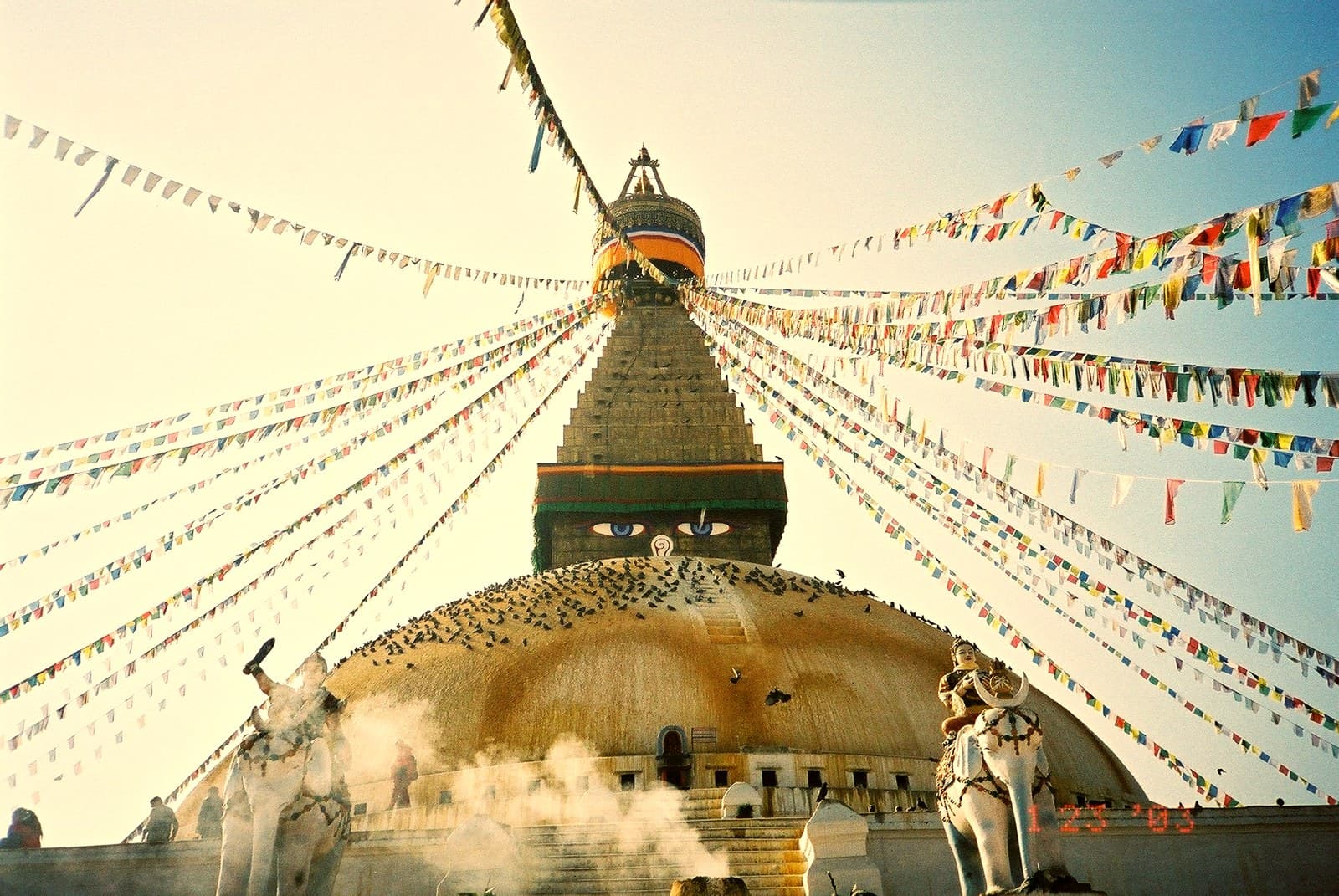
Boudhanath — the largest stupa in Nepal and a living centre of Tibetan Buddhism
Etiquette in Practice
Tap a scenario to reveal the correct behaviour — and what to avoid. Test yourself before you go.
Temples & Shrines
Greetings & Body Language
Food & Eating
Dress Code
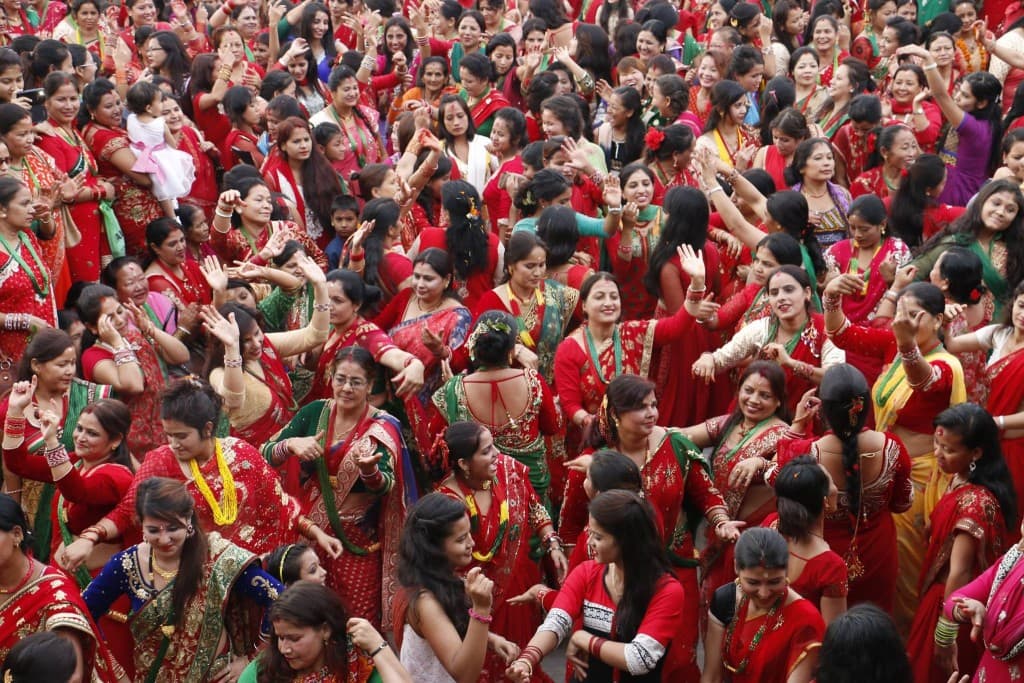
Dashain — Nepal's longest and most celebrated festival, lasting 15 days
Festival Calendar
Nepal has more public holidays than almost any country on earth. Select a month to see what's being celebrated.
Dashain
Nepal's most important festival — 15 days celebrating the goddess Durga's victory over evil. Families reunite, receive tika and jamara (grass) from elders, and fly kites. Everything closes.
Tihar (Festival of Lights)
Nepal's Diwali — five days honouring crows, dogs, cows, oxen, and brothers. Homes are decorated with oil lamps, marigold garlands, and rangoli. The third day (Lakshmi Puja) is the most spectacular.
Note: Most Nepali festivals follow the lunar calendar — exact dates shift each year. Contact us for specific dates in your travel year.
The Power of Namaste
Two syllables that open every door. "Namaste" (नमस्ते) translates loosely as "I bow to the divine in you" and is used for both hello and goodbye, with everyone from shopkeepers to monks. Press your palms together at chest height, slight bow, genuine smile — and watch how differently people respond to you compared to a tourist who skips it entirely.
In higher-altitude Sherpa and Tibetan communities you will hear "Tashi Delek" — a blessing of good luck and prosperity. Using it back will earn you a broad smile every time.
Photography Etiquette
✓ Good practice
Always ask before photographing people
A smile and miming a camera gesture is universally understood. Most Nepalis are happy to be photographed, but the choice should be theirs.
⚠ Be aware
Never pay children for photos
This encourages a damaging begging culture and can incentivise parents to keep children from school. A small gift of stationery is better if you want to contribute.
✓ Good practice
Photography fees at certain temples
Pashupatinath and some Durbar Squares charge separate photography fees (often NPR 500–1,000). It's a fair contribution — pay it without complaint.
⚠ Be aware
No photos inside monasteries without permission
Many monastery interiors have photography restrictions. Look for signs, and when in doubt, ask a monk.
Tipping Guide
Tipping is not obligatory in Nepal but is deeply appreciated and forms a significant part of the income of those who work in tourism. Here are sensible benchmarks:
| Role | Suggested Range | Notes |
|---|---|---|
| Trekking Guide | $10–15 / person / day | The most important tip. Your guide is responsible for your safety, health decisions, and entire experience. |
| Porter | $5–8 / person / day | Porters carry heavy loads in difficult conditions. Tip separately from your guide. |
| Restaurant / Teahouse | Round up or 10% | Not always expected, but greatly appreciated in tourist areas. Not standard in rural villages. |
| Hotel Staff | $1–3 per day | Left in the room at end of stay. Tip housekeeping separately from front desk if you wish. |
| Driver | $3–5 / day | For multi-day journeys. For a single airport transfer, Rs 200–500 is appreciated. |
| Local Guides (day tours) | $5–10 total | For short city tours or day hikes. |
All amounts are per group, not per person, unless stated. USD is widely accepted for tips at higher-end services.
Go Deeper
Experience Nepal's Culture First-Hand
Our cultural tour packages take you into the living heart of Nepal — Newari architecture, ancient festivals, Sherpa hospitality, and Tharu village life.
Explore Cultural Tours